CARE Field Station
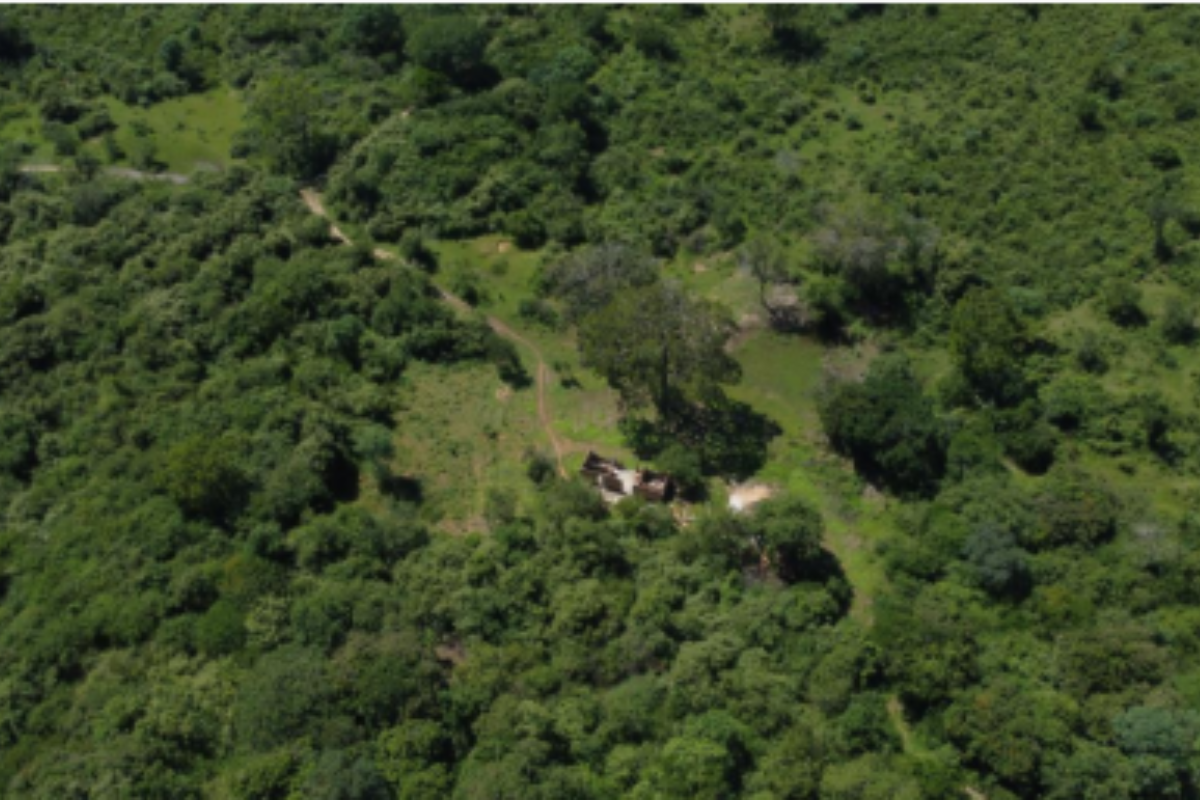
The CARE Field Station adjoins a 50-acre restoration site in Suduweliara, Hambegamuwa, directly linked to the Wetahirakanda Elephant Corridor. This land, once threatened by encroachment, is now being restored through invasive plant removal, assisted natural regeneration, and community-managed nurseries. Wildlife surveys have revealed rich biodiversity, including elephants, leopards, deer, and numerous endemic birds and reptiles.
Facilities and Focus
The Field Station is designed as a research-intensive outpost, complementing the Base Camp’s community and training focus. It will host:
• Field laboratories for ecological monitoring and habitat studies.
• Camera traps and EarthRanger technology (in partnership with Wildlife Protection Solutions) for real-time monitoring of wildlife.
• Restoration sites and monitoring plots for long-term ecological experiments.
• Community-based plant nurseries to support reforestation and create livelihood opportunities.
• Training and capacity building of local communities for sustainable agriculture and human animal conflict mitigation.
Activities
• Ecological Monitoring: Baseline biodiversity surveys, camera trap studies, and drone mapping.
• Habitat Restoration: Invasive species removal, enrichment planting, and waterhole management.
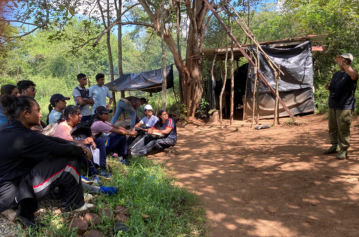
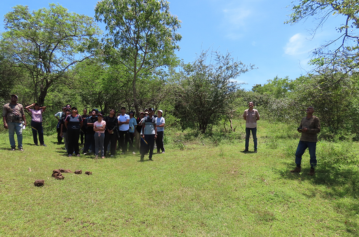
• Research and Training: Hosting researchers and students to conduct field studies on biodiversity, ecosystem services, and coexistence with wildlife.
• Technology Integration: Piloting tools such as EarthRanger for protected area management and real-time decision-making.
• Livelihood development for local communities.
Opportunities for Collaboration
TERN invites universities, research institutions, NGOs, and conservation practitioners to collaborate with the CARE Base Camp and Field Station. Opportunities include:
• Conducting independent or joint research projects on biodiversity, restoration, or human–wildlife coexistence.
• Organizing field courses and training workshops for students or professionals, supported by TERN’s logistics and local expertise.
• Partnering in technology integration for conservation, from camera traps to landscape monitoring platforms.
• Supporting community engagement and livelihood initiatives, ensuring conservation benefits extend to people living alongside wildlife.
Collaborators can also contribute to the sustainability of the stations by providing equipment, expertise, or funding to strengthen ongoing and future programs. The CARE Base Camp and Field Station represent a new model of landscape-scale conservation in Sri Lanka, one that combines science, education, community empowerment, and global collaboration. Together, these facilities safeguard habitats, nurture the next generation of conservationists, and set examples of how conservation science can be effectively translated into action. They are open to partnerships that share this vision of creating lasting impact for both people and wildlife.